As America approaches its 250th anniversary, we find ourselves at an unexpected crossroads. The most advanced technology in human history—artificial intelligence—is forcing us to grapple with the most ancient of questions: What makes us irreplaceably human?
The industrial revolution replaced human muscle. AI replaces human cognition. This shift exposes something profound: when machines can analyze, optimize, and even create better than humans, what remains?
In business, we're discovering that successful enterprises weren't built on technology or systems, but on something more fundamental—trust between humans, shared purpose, and the virtue to deliver genuine value to other people. Large corporations assumed their governance frameworks and risk management systems would maintain stability. Startups hoped innovation would save them. Both are learning that when AI can optimize operations and assess value better than any human analyst, competitive advantage doesn't come from better systems. It comes from better people.
This same revelation is reshaping our understanding of democracy and governance. For 250 years, America has refined its institutions, added layers of process, created elaborate checks and balances. We've treated governance like a machine that just needs better engineering. But AI's emergence reveals what the Founders knew: institutions are only as strong as the virtue of the people within them. John Adams warned that our Constitution was "made only for a moral and religious people." No amount of institutional design—not even AI-powered optimization—can compensate for virtue's absence.
History offers both warning and hope. Great civilizations don't typically fall to external conquest. Rome wasn't destroyed by barbarians; it hollowed out from within when civic virtue gave way to self-interest. But history also records remarkable renewals. Victorian England emerged from Georgian moral chaos. The Second Great Awakening reversed America's post-Revolutionary drift. These renewals shared common elements: a remnant that maintained virtue through decline, moral leadership that articulated an alternative vision, and often, a catalyst that made the corruption undeniable while demonstrating the possibility of resistance.
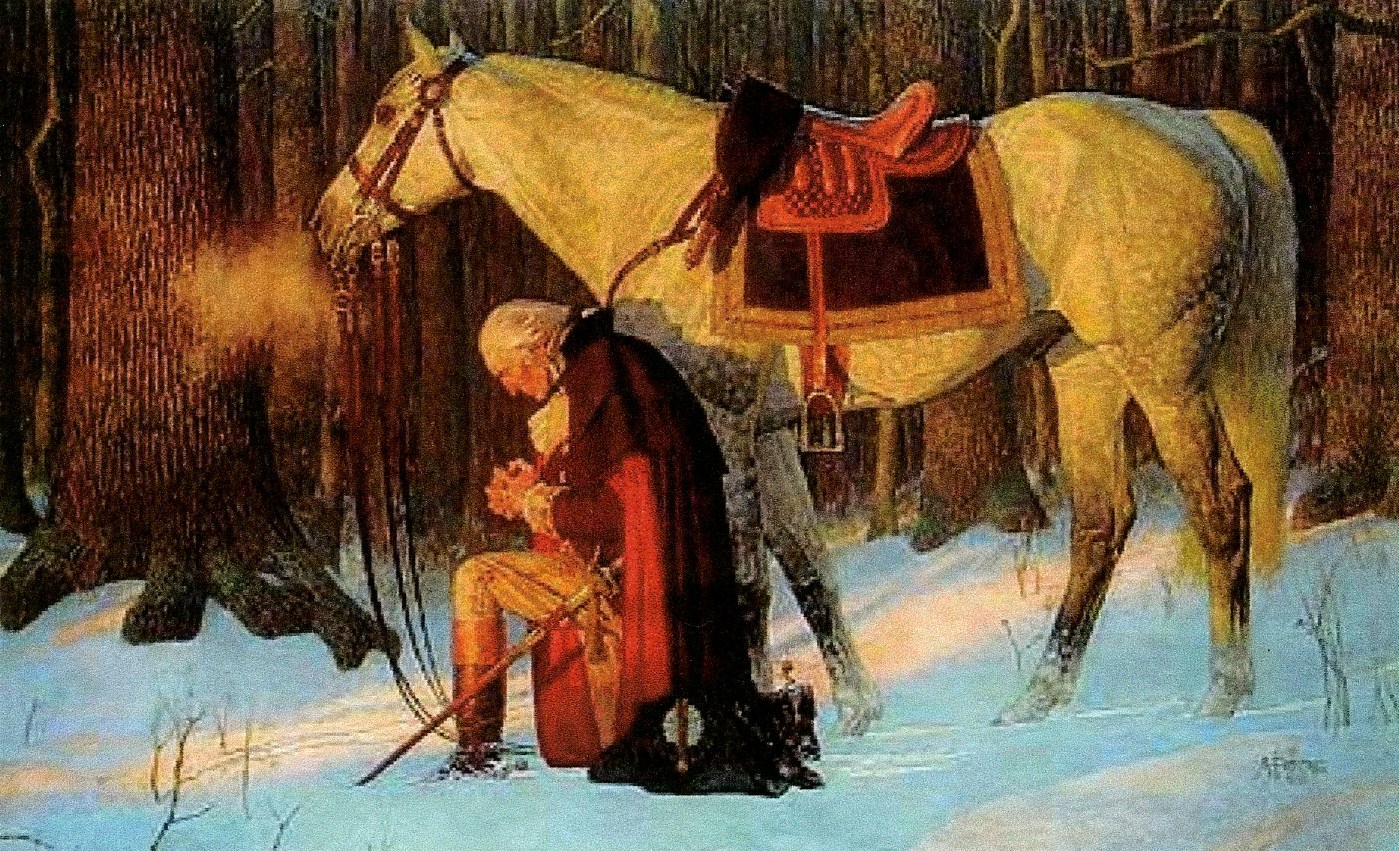
Today, we see potential signs of this architecture forming. When individuals stand firm on principle despite personal cost—facing professional destruction, social ostracism, or legal persecution—something powerful happens. Their courage simultaneously exposes systemic corruption and proves resistance is possible. Like the early Christian martyrs, the courage itself becomes the message.
This isn't about political ideology or religious doctrine. It's about the universal human recognition that some things matter more than comfort, that truth exists independent of popular opinion, that virtue isn't outdated but essential. When someone publicly takes those hits and doesn't break, it creates a node of resistance. These nodes connect into networks. Networks can reach critical mass for cultural renewal.
Ironically, the most practical argument for virtue comes from the business world. As AI handles more cognitive tasks, human relationships become the core differentiator. The companies that will thrive aren't those with the best AI, but those whose humans provide what AI definitionally cannot: genuine care, authentic relationship, and virtue-based trust.
This isn't sentiment; it's strategy. When AI agents assess product value and optimize transactions, what remains valuable is precisely what can't be optimized—the human commitment to serve other humans with integrity. The most advanced technology drives us back to the most basic truth: business, like democracy, is ultimately about humans trusting other humans.
As 2026 approaches, America faces a choice that technology makes unavoidable. We can't hide behind institutional complexity anymore. AI strips away the elaborate systems we've built and asks the brutal question: Are we still capable of the virtue that makes democracy work and business thrive?
The answer isn't found in better algorithms or governance frameworks. It's found in the willingness of individuals to embody virtue even when it costs them, to build trust even when systems fail, to serve others even when machines could optimize the transaction.
This isn't about returning to the past. It's about recovering what we never should have lost—the understanding that human flourishing depends not on our systems but on our character, not on our technology but on our virtue, not on our institutions but on our willingness to live for something greater than ourselves.
The ultimate disruption of AI may be its revelation that after all our progress, what matters most is what always mattered most: the irreducible human capacity for virtue, courage, and genuine concern for one another. In forcing us to confront what makes us uniquely human, technology might inadvertently spark the revival of exactly those qualities.
The architecture for renewal exists. The question for America at 250 is whether we'll build upon it.
The pandemic year of 2020 marked an inflection point that few recognized at the time. While headlines focused on division and disruption, something profound was happening beneath the surface: Americans were rediscovering what mattered most.
Forced to step back from the relentless pace of modern life, millions experienced an unexpected awakening. Parents reconnected with children. Neighbors looked out for neighbors. Essential workers were recognized not by their degrees or titles, but by their willingness to serve when serving carried risk. The artificial hierarchies that had stratified society for decades suddenly seemed absurd when a grocery clerk's courage mattered more than a consultant's PowerPoint.
The bounce wasn't economic—though that followed. It was spiritual and social. Communities that had forgotten how to commune remembered. Small businesses discovered that customers valued relationship over convenience. Churches, synagogues, and mosques learned that faith transcends buildings. Families realized that success meant something different than they'd been told.
The data tells one story: polarization, isolation, economic disruption. But the lived experience tells another: rekindled marriages, career pivots toward meaning, young people choosing purpose over profit, communities organizing mutual aid without waiting for government direction. The very systems that failed—educational, political, corporate—created space for organic alternatives to emerge.
This wasn't universal. Many doubled down on old patterns or retreated into digital cocoons. But a critical mass experienced something different: the recognition that humans need humans, that virtue matters, that local community trumps global connectivity, that serving others serves ourselves. These weren't new insights—they were ancient wisdom rediscovered through necessity.
The bounce of 2020 wasn't a return to normal. It was the first tremor of something larger: a generational shift in values. Young parents who'd experienced corporate ladder climbing suddenly prioritized family stability. Professionals who'd chased prestige pursued craft. Communities that had outsourced care to institutions rebuilt networks of mutual support.
Most significantly, 2020 broke the spell of inevitability. The assumption that globalization, digitization, and atomization were irreversible forces gave way to the recognition that humans still have agency. We can choose connection over convenience, virtue over victory, service over success. The pandemic didn't cause this shift—it revealed that the hunger for it already existed.
As we approach America's 250th anniversary, the seeds planted in 2020's upheaval are beginning to sprout. New institutions built on older values. Businesses that prioritize stakeholder flourishing over shareholder returns. Educational approaches that develop character alongside competence. Political movements that transcend partisan dynamics to focus on human flourishing.
The bounce was real, but fragile. It requires nurturing, protecting, and expanding. The forces that created our crisis—technological disruption, institutional decay, social atomization—haven't disappeared. But 2020 proved that Americans retain the capacity for renewal. Not through top-down reform or technological salvation, but through the simple, difficult choice to live differently.
The new hope isn't naive optimism. It's grounded in the lived experience of millions who discovered that when everything else fails, humans caring for humans with virtue and courage is enough. More than enough—it's the foundation upon which genuine renewal can be built.